How Crypto Casinos Are Reshaping Online Gambling in 2026: A Complete Guide to Bitcoin Gaming, Security, and Finding Trusted Platforms for U.S. Players

I've spent the better part of the last two years digging into how digital currency is changing the way Americans gamble online. And honestly? 2026 feels like the year crypto gambling stopped being some fringe experiment and just... became normal. Whether you're a longtime poker player curious about faster payouts, or someone who heard about Bitcoin slots at a backyard barbecue and got curious, this guide walks through what's actually happening in the crypto casino space right now — and how to navigate it without getting burned.
What Are Crypto Casinos and How Do They Work?
At their core, crypto casinos work a lot like the traditional online casinos you already know — slots, blackjack, roulette, sportsbook-style betting, all of it. The difference is the entire financial layer runs on cryptocurrency instead of dollars. You deposit Bitcoin, Ethereum, Litecoin, or increasingly stablecoins like USDT, place your wagers in that currency, then withdraw your winnings the same way. No bank wire delays. No credit card holds sitting on your statement for days, either.
What really sets these platforms apart, though, is 'provably fair' gaming. It's a blockchain-verified system that lets you independently confirm a slot spin or dice roll wasn't rigged after the fact — every result gets generated using a cryptographic hash you can check against the outcome yourself. That's something traditional fiat casinos just can't offer in the same transparent way. Not even close, honestly.
Bitcoin Gaming vs. Traditional Online Gambling
If you've ever waited three to five business days for a casino withdrawal to clear into your bank account, you already get the appeal here. Crypto transactions typically settle in minutes — sometimes seconds, depending on the network. Fast. Genuinely fast, in a way traditional banking rails just aren't built for.
There's a real privacy advantage too, since you're not handing over your full banking details every single time you fund an account. And because there's no middleman bank or card processor skimming a cut, transaction fees tend to run dramatically lower. Sometimes nonexistent.
Why Crypto Casinos Are Surging in Popularity in 2026
The numbers don't lie. Crypto gambling adoption in the U.S. has climbed steadily as more players get comfortable holding digital assets in the first place — and that comfort level matters more than people realize. A few forces are driving that surge.
Payout speed remains the biggest draw. Nobody wants to wait a week for winnings that could've hit their wallet in minutes. Privacy-conscious players appreciate not linking every wager back to a primary checking account, too. And crypto-exclusive bonuses — deposit matches, free spins tied to specific coins, loyalty tokens — often turn out more generous than their fiat equivalents.
There's also a growing overlap with decentralized finance, which I find genuinely interesting to watch unfold. Some platforms now let players stake idle casino balances or earn yield while they're not actively wagering — blending gambling with DeFi mechanics in ways that simply didn't exist a few years back. Nobody was doing this in 2022.
Security and Regulatory Considerations for U.S. Players
Here's where things get genuinely complicated for American players. Gambling law in the U.S. is a patchwork — some states have legalized and regulated online gambling outright, others restrict it heavily, and federal law adds another layer of ambiguity specifically around interstate wagering.
Most crypto casinos serving U.S. customers operate under offshore licenses from jurisdictions like Curaçao or Malta, which is legal for players to use in many states. Still, you should always check your local regulations first. Always.
Legitimate platforms still enforce KYC (Know Your Customer) and AML (Anti-Money Laundering) checks, even with crypto in the mix. Don't let anyone tell you crypto casinos are some total identity-free zone — reputable operators verify who you are before allowing large withdrawals, full stop. The upside of blockchain here is transparency: every transaction sits on a public ledger, which makes fraud a lot harder to hide compared to the opaque traditional banking rails most of us grew up with.
How to Verify a Platform's Legitimacy
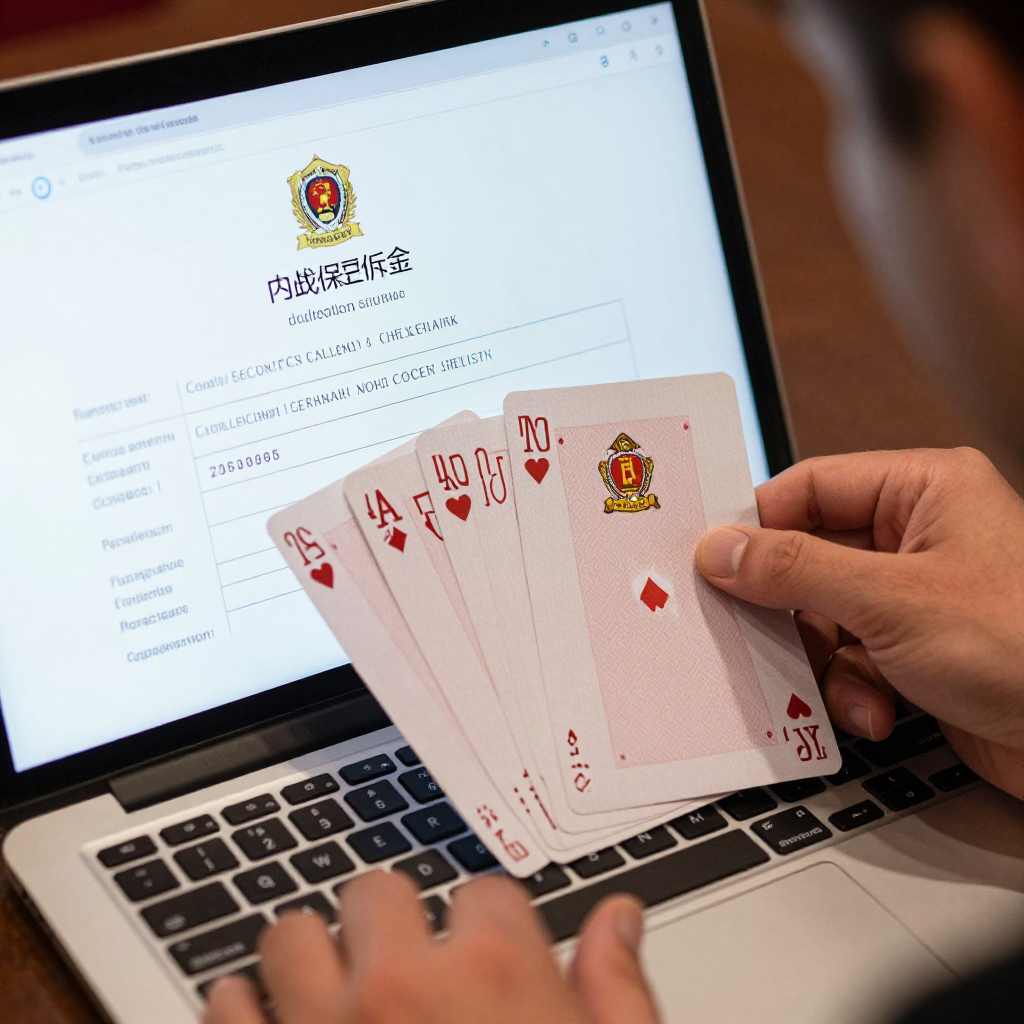
Before depositing a single satoshi, I always check a few things. Does the site display an actual gaming license number you can verify with the issuing authority? Are game fairness certificates from independent auditors like iTech Labs or eCOGRA posted publicly — not just claimed somewhere in the footer? Is the connection secured with SSL encryption? (Look for the padlock. It sounds basic, but people skip this step constantly.) And does the operator disclose using cold-wallet storage for the majority of player funds, rather than keeping everything sitting in a hot wallet vulnerable to hacks?
How to Choose a Trusted Crypto Casino Platform
With hundreds of crypto casinos competing for attention these days, picking the right one matters more than ever. I look at four things every single time: game variety — slots, live dealer, sports betting, table games; how responsive customer support actually is; real withdrawal speed, not just the advertised number; and overall reputation across independent review communities and forums.
Some operators have built a reputation specifically around balancing crypto flexibility with genuine player-focused features — fast KYC processing, transparent bonus terms, multi-coin support that goes beyond just Bitcoin. Platforms in this category, such as crypto casinos like finchlondon.co.uk, are worth researching as examples of what a well-rounded, security-conscious operator looks like for U.S. players comparing their options. The point isn't to blindly trust any single site — it's to use established, well-reviewed platforms as a benchmark when you're sizing up newer or lesser-known casinos.
Best Practices for Safe and Responsible Crypto Gambling
Crypto adds a layer of complexity that traditional gambling doesn't have, so a few extra precautions go a long way:
- Set deposit limits before you start playing, not after a losing streak
- Use a hardware wallet for storing winnings rather than leaving everything on the casino platform
- Enable two-factor authentication on both your casino account and your exchange or wallet app
- Keep an eye on crypto price volatility — a winning session can look very different in dollar terms a week later if the coin's value swings hard
- Recognize warning signs of problem gambling: chasing losses, hiding activity, or gambling with funds meant for bills
Common Mistakes U.S. Players Make with Crypto Casinos
I've watched the same errors trip people up, again and again. The biggest one? Ignoring wagering requirements attached to crypto bonuses — that 200% match sounds fantastic until you realize you need to wager it 40 times before you can actually cash out.
Another common mistake: routing funds through unregulated, sketchy exchanges just to save a few dollars in fees, which can expose you to risks that dwarf whatever you saved. Not worth it. Rarely is.
Tax reporting is another blind spot people miss. Gambling winnings, even in crypto, count as taxable income in the U.S., and converting crypto to cash later can trigger additional capital gains considerations on top of that. Keep records — seriously, keep them.
And finally, phishing scams targeting wallet credentials have gotten a lot more sophisticated. Fake casino emails asking you to 'verify' your wallet seed phrase are never legitimate. No real platform will ever ask for your seed phrase. Ever.
FAQ – Crypto Casinos and U.S. Players
Is crypto gambling legal in the U.S.? It depends heavily on your state. Many U.S. players use offshore-licensed crypto casinos legally, but you should always confirm your specific state's stance before playing.
Which cryptocurrencies are accepted? Bitcoin and Ethereum remain the most widely accepted, though Litecoin, Dogecoin, and stablecoins like USDT are increasingly common in 2026.
How are winnings taxed? Gambling winnings are considered taxable income by the IRS regardless of currency, so crypto winnings should be reported at their fair market value at the time you received them.
What happens if a platform goes offline? This is exactly why choosing a licensed, well-reviewed operator matters — reputable platforms maintain clear withdrawal policies and support channels, which cuts down the risk of funds becoming inaccessible.